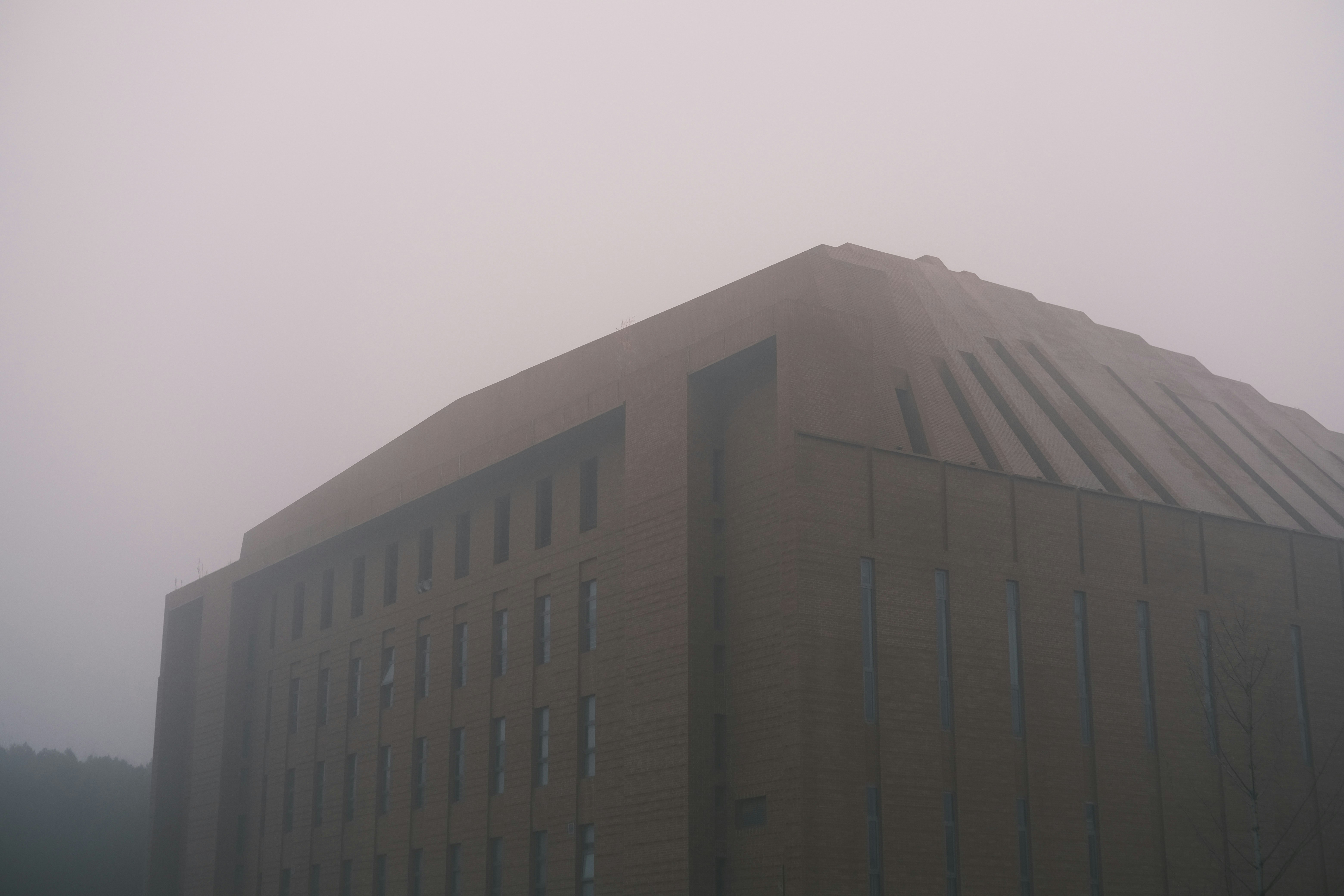
What's Being Proposed
A massive industrial data center is planned for construction on the border between Monrovia and Mooresville, Indiana. This facility would be one of the largest in the region, consuming enormous amounts of water and electricity while generating significant noise and air pollution.
The proposed facility would operate 24/7, requiring constant cooling systems that would draw millions of gallons of water daily from our local water supply. The industrial-scale generators and cooling equipment would create continuous noise pollution affecting nearby residential areas.
Environmental Risks
Water Consumption
Data centers require massive amounts of water for cooling systems. The proposed facility could consume up to 5 million gallons per day, putting strain on our local water infrastructure and potentially affecting water availability for residents and local businesses.
Air Quality Concerns
The facility would require multiple backup diesel generators that would emit pollutants during testing and emergency operations. Additionally, the increased truck traffic for maintenance and deliveries would contribute to air quality degradation in our community.
Noise Pollution
Industrial cooling systems and generators operate continuously, creating a constant low-frequency hum that can be heard for miles. This noise pollution would significantly impact the quality of life for nearby residents.
Community Impact
Property Values
Studies show that industrial developments like data centers typically reduce nearby residential property values by 10-20%. The visual impact, noise, and environmental concerns make homes less desirable to potential buyers.
Infrastructure Strain
The massive electrical demands of the data center would strain our local power grid, potentially leading to higher utility costs for residents. The increased heavy truck traffic would also accelerate wear on our local roads.
Limited Economic Benefits
While proponents claim economic benefits, data centers provide very few permanent jobs relative to their size and impact. Most positions require specialized technical skills not readily available in our community.
Indiana TIF Districts: What You Need to Know
One of the key mechanisms enabling the data center development is the use of a Tax Increment Financing (TIF) district. Understanding how TIF works — and how it affects our community — is critical to fighting back.
What Is a TIF District?
A Tax Increment Financing district is a tool that allows local governments to redirect future property tax revenue from a designated area into a special fund. That fund is then used to subsidize development within the district — things like road improvements, utility connections, and infrastructure that directly benefits the developer.
How It Works in Practice
When a TIF district is created, the current property tax "base" is frozen. As the development raises property values and generates higher tax revenues, that increment — the increase above the frozen base — goes into the TIF fund instead of to schools, fire departments, and county services. The developer effectively gets publicly subsidized infrastructure while the community loses tax revenue.
The Problem with This TIF District
- Schools lose funding: Increased tax revenue that would normally flow to local schools is diverted to the TIF fund for up to 25 years
- Taxpayers subsidize Big Tech: Public money is used to build water lines, power infrastructure, and roads that serve the data center — not the community
- Minimal jobs, maximum subsidy: Data centers generate very few permanent local jobs but receive disproportionate public investment
- Long-term revenue lock-in: The community is locked out of full property tax benefits from the development for decades
- Risk shifts to the public: If the development underperforms or leaves, the community bears the cost of the infrastructure built for it
What We Can Do
TIF district designations require approval by local government bodies — including the Plan Commission and County Commissioners. Public comment at these meetings matters. The Citizens Action Coalition has been tracking and challenging data center TIF subsidies across Indiana and is a key resource for our community.
Learn more about statewide TIF and data center policy at CAC's Data Center Campaign page.
Why We Can Win
Our community has the power to stop this development through organized action and civic engagement. Here's how we're fighting back:
- Petition Drive: We're collecting signatures to demonstrate community opposition
- Town Hall Meetings: Regular community meetings to organize and inform residents
- Legal Action: Working with environmental lawyers to challenge permits and approvals
- Political Pressure: Engaging with local officials and elected representatives
- Media Campaign: Raising awareness through local and regional media
- Statewide Coalition: Partnering with Citizens Action Coalition and other organizations fighting data center expansion across Indiana
We're not alone in this fight. The Citizens Action Coalition, Indiana's oldest consumer and environmental advocacy organization, is leading a statewide campaign against the unprecedented data center build-out that threatens Hoosier communities. Their expertise and resources strengthen our local efforts.
Together, we can protect our community's water, air, and quality of life. Every signature, every voice, and every dollar donated brings us closer to victory.